Buckland Manor: the fictional house and its real-life inspiration
Welcome to blog post number 11 on the subject of Buckland Manor, the home of the Kesbys and the house where Sarah was raised in my novel The Papermaker’s Daughter.
Writing historical fiction involves a lot of research which informs the story but is not necessarily included in it. This blog is for sharing some of the interesting and fun facts I discovered while researching my novels.
Spoiler alert! This blog contains plot reveals.
An Important Setting
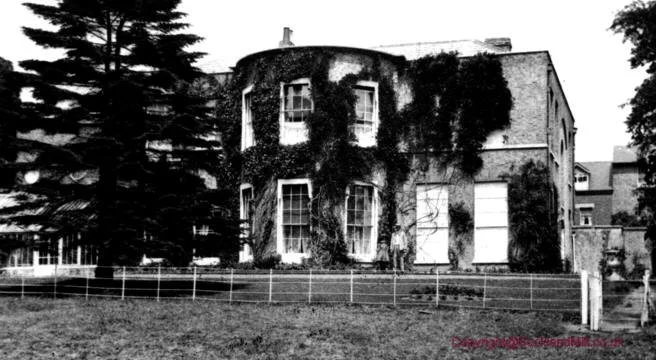
Buckland House
Buckland Manor is one of the settings which occurs in both the novel’s timelines. Its presence is felt throughout the story, being mentioned in nineteen of the thirty-nine chapters. The first description of it occurs in chapter 5 after Sarah tries to introduce Edwin to her father. The introduction doesn’t go well and after Ed has left, Father marches Sarah home.
We walk up the hill, and the manor looms, solid and imposing with its arched windows and ivy-clad bricks—the only home I’ve known, yet never inviting.
Sarah has never felt at home in the manor, but that has less to do with the house itself and more to do with her uncomfortable relationship with her guardian, Mrs Kesby, the manor’s owner.
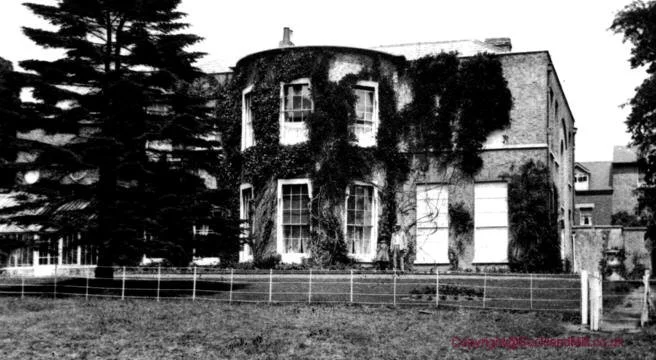
Buckland House, the inspiration for Buckland Manor
Buckland Manor is fictional, but I have based its appearance on a real building, Buckland House, which was built in 1823, for the then-owner of Buckland papermill, Thomas Horn.
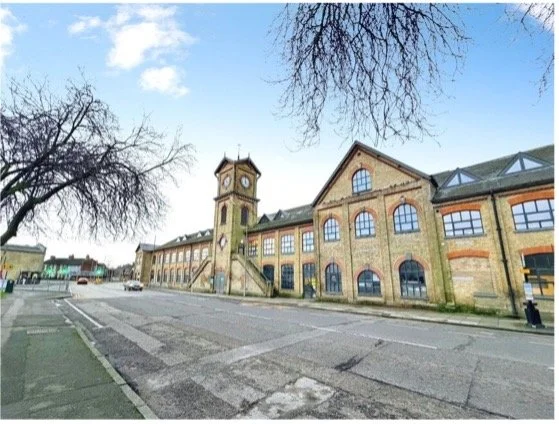
As you can see from the above photo, it has large windows and ivy-clad walls. There is an arched window on the left-hand wall. I could only find a few photos of it, most of them modern like the one below:
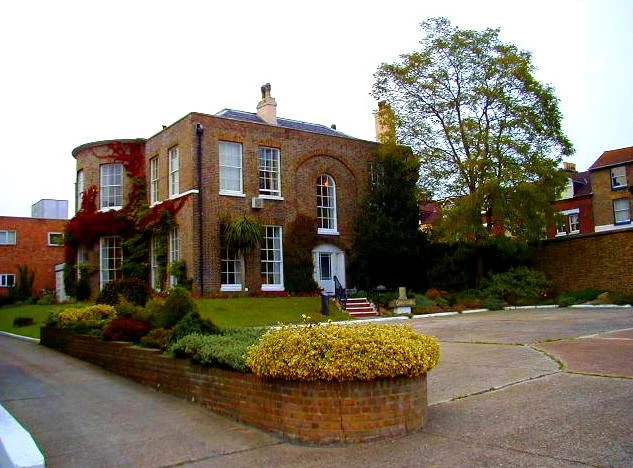
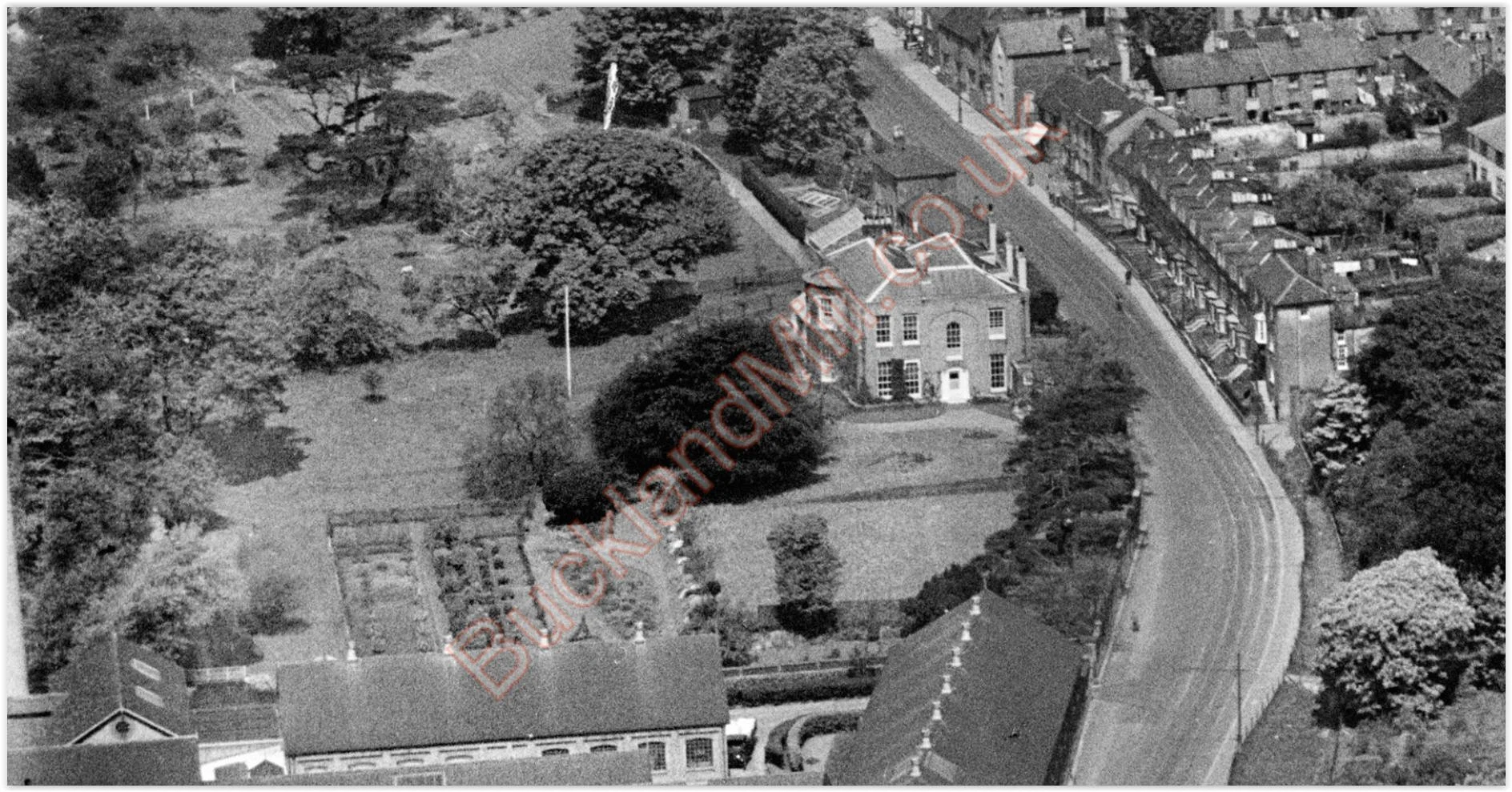
In my story, Buckland Manor is a short walk from the papermill, at the top of a hill by a quiet country lane. The real Buckland House is situated next to a main road as you can see from this arial photo from 1947. See how extensive its grounds were:
The Imagined Rooms
I have no idea of the lay-out of the rooms in the real Buckland House, but I have had great fun imagining the interior of the fictional Buckland Manor. Here are a few descriptions.
The Morning Room
Mrs Kesby spends much of her time in the morning room, attending to her correspondence at her writing desk. She summons Sarah for a scolding on the morning after the discovery of her relationship with Edwin:
She sorts papers before rising to confront me. The sun streaming through the window reflects off the polished mahogany furniture and highlights the colours of the Turkey carpet by the fireplace, casting the room in a golden glow at odds with my mood.
Mr Kesby’s Dressing Room
Sarah and Gracie, the chaperone, are tasked with sorting through some clothes to donate to a charity bazaar. The clothes belonged to Mr Kesby who has been dead for over seventeen years. This is the first time that Sarah has entered his room:
A wardrobe of light oak spans one wall. Next to a window stand a cheval mirror and a pedestal with shaving gear. On a marble-topped washstand, a dried and cracked bar of soap lies next to the jug and basin. I plump down onto a chaise longue, draped with a maroon silk dressing gown.
‘Goodness me. He could have walked out of here yesterday.’
‘It’s a sanctuary,’ Gracie says. ‘She must have missed him badly.
Mrs Kesby’s Bedroom
After Mrs Kesby injures herself in a serious fall, she is confined to bed:
Two months after her fall, Mrs Kesby summons me to her bedside. Her bedroom has always been out of bounds, and its unfamiliarity unsettles me. Heavy maroon velvet curtains shroud the room in dim light, made more oppressive by the mahogany furniture.
The Entrance Hall
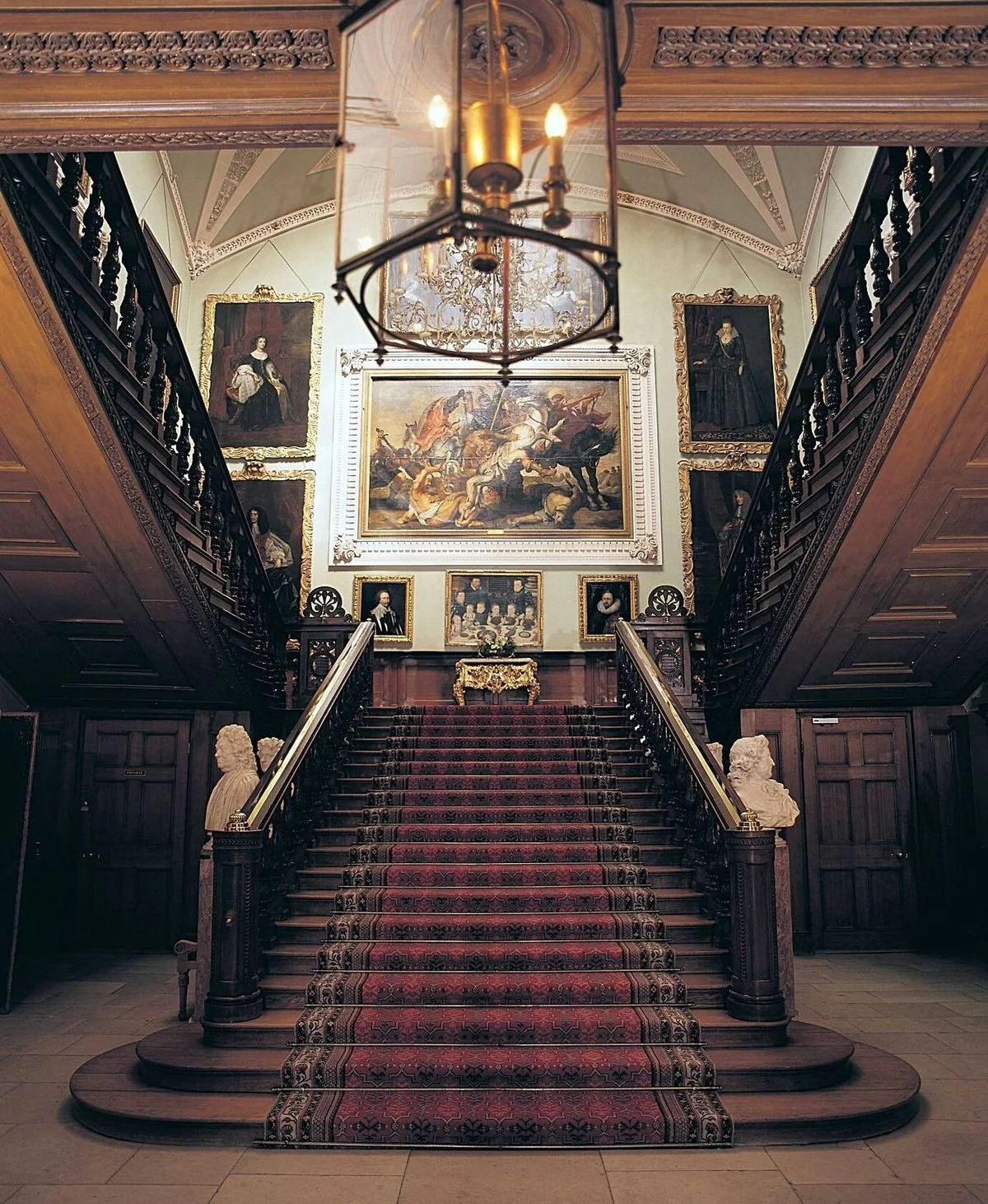
I imagine the manor’s entrance hall as something like this, except with red walls and black and white floor tiles.
Elizabeth first sets foot in the manor when she and George are invited to a dinner party:
On the evening of the Kesbys’ dinner party, Elizabeth and George walked the short distance to the manor, arriving along with other invitees. Their hosts stood at the foot of an elaborately carved oak staircase in the vast entrance hall to greet their guests, whose finery was reflected in several gilt-framed mirrors. Elizabeth and George joined the line, standing next to a marble-topped table adorned with a classical-style bronze statue of Diana, bow in hand. Elizabeth scanned the hall with its black-and-white floor tiles and red-wallpapered walls hung with countless paintings. The word opulent sprang to mind.
The Drawing Room
After the meal, the ladies withdraw to the drawing room for tea, leaving the men to their cigars and port:
While her hostess poured tea for the other ladies, Elizabeth surveyed the room: couches and armchairs in fashionable blue and white striped upholstery studiously arranged around occasional tables, and a chaise longue in blue velvet beneath the window. The artfulness, along with the conspicuous display of wealth, left her cold. Although she had yet to have a conversation with her hostess, she gained the impression that the room’s lack of warmth reflected her personality.
The Library
Elizabeth is invited by Mrs Kesby to play the piano in the library. The room is very much Mr Kesby’s domain:
The library’s magnificence had her gaping. Book-filled shelves lined the walls from floor to ceiling. Specimen chests flanked the marble fireplace, along with a brass orrery in a glass case, and a globe on a mahogany stand, which her fingers itched to explore. In front of one window stood a desk with a tooled-leather top. Assorted reading matter cluttered the surface, one tome held open by an interesting-looking fossil. A boudoir grand piano stood beside the second window.
Occasional tables and various chairs dotted the room. One wing-backed armchair upholstered in dark-green velvet, appeared well-worn. She pictured Mr Kesby with a book in his lap, a glass of ruby port in his hand, and fragrant cigar smoke curling up from an ashtray on the side table. With a masculine smell of leather, polished wood, and tobacco hanging in the air, it was the most delightful room ever. She longed to race to the shelves and examine the titles. But Mrs Kesby expected her to play the piano.
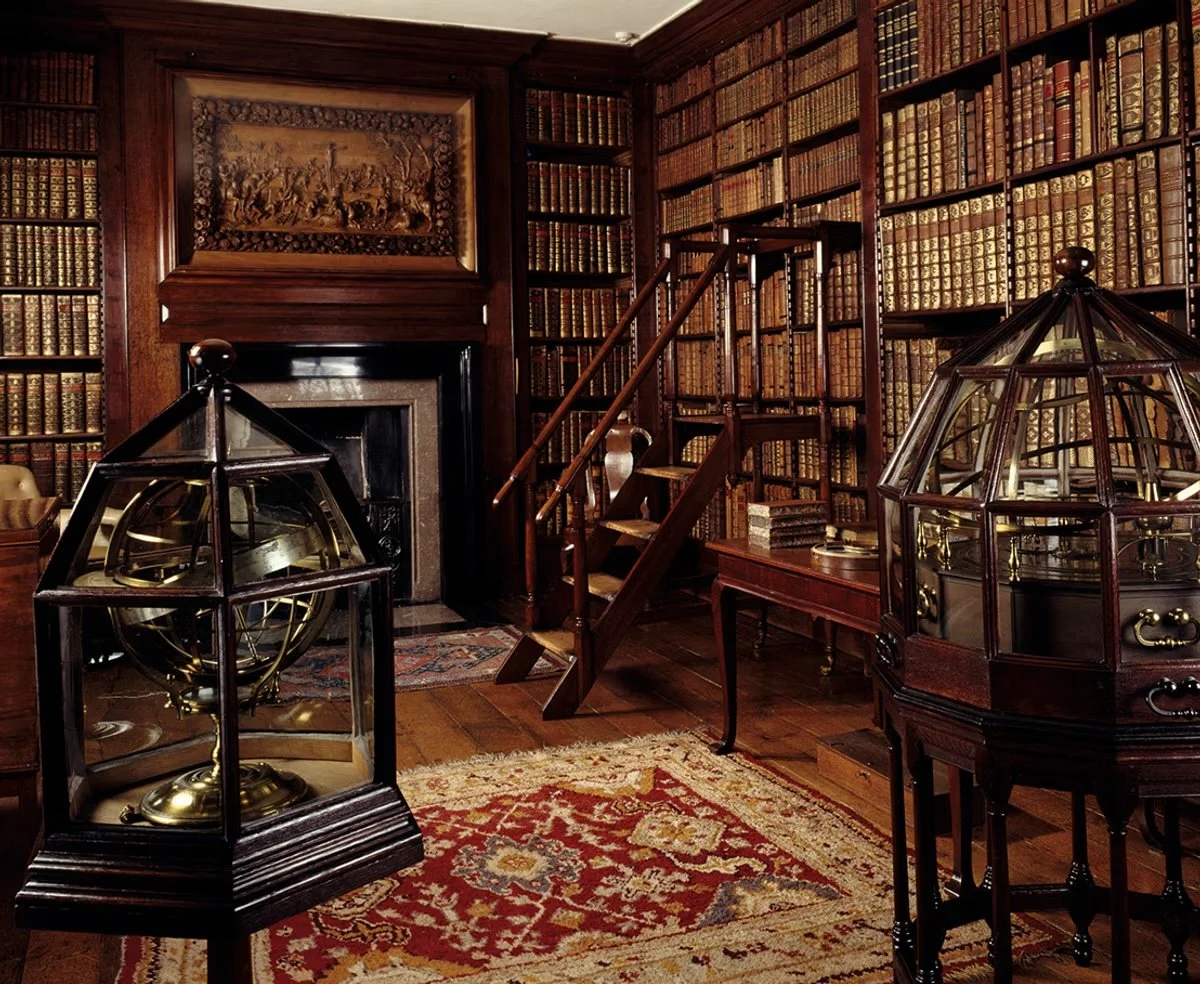
The library at Dunham Massey, Cheshire
Class Differences
Elizabeth comes from a comfortable middle-class background. She finds the Kesbys’ lifestyle unacceptably extravagant:
While Jefferies climbed the stairs, she settled herself on a straight-backed chair, easing the tension in her spine. Another worry entered her mind: perhaps Mrs Kesby enjoyed an afternoon nap which she would be disturbing.
Mrs Kesby appeared at the top of the staircase, immaculate in a blue silk afternoon dress, her hair in a braided bun. She had not been in bed. She must have a sitting room attached to her bedchamber. How many rooms did the manor boast? An excessive number for one couple.
Lavishly Appointed
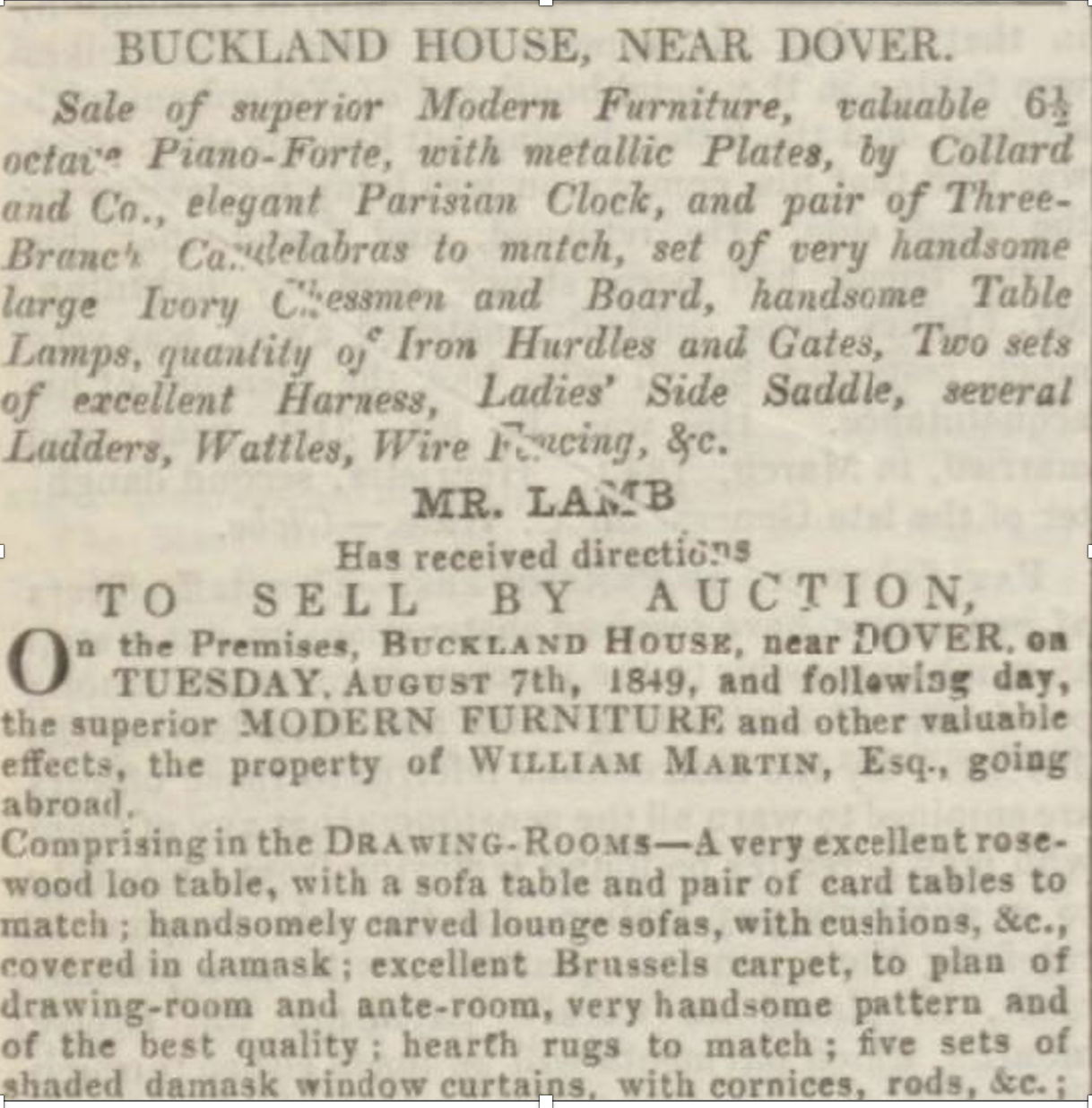
It seems like the real Buckland House was also lavishly appointed. An article in the Kentish Gazette of 1849 details some of the furniture and furnishings being sold at auction by the current owner, William Martin, before travelling abroad, presumably for an extended period. They include a rosewood davenport, French work tables, ottomans covered with needlework, a rosewood what-not, and twelve very elegant black and gold fancy chairs.
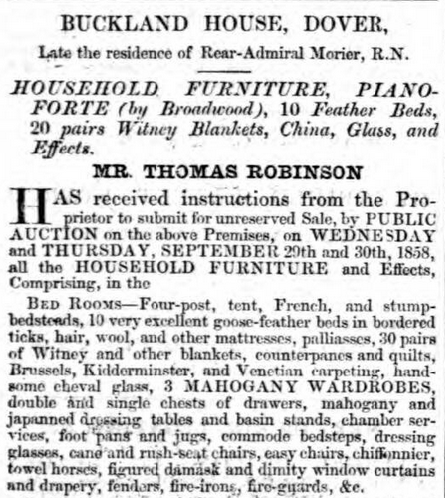
There was a further auction ten years later:
Articles include over 100 yards of Brussels carpet in the drawing room. You can imagine the size of that room.
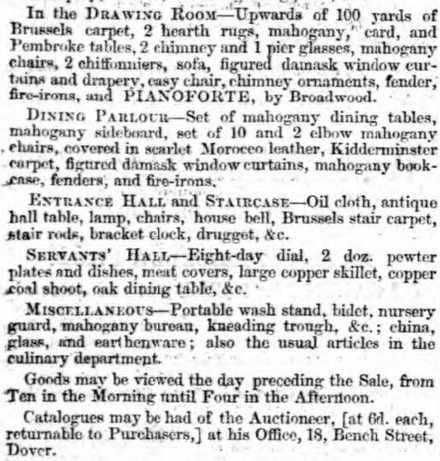
Chimney glasses were mirrors above mantel pieces, and pier glasses were tall, narrow mirrors that hung on the strip of wall between windows. The aim was to reflect daylight into the room and create an illusion of space.
Lavish Entertainment
In The Papermaker’s Daughter, the Kesbys give a dinner party for fourteen guests. This is a modest entertainment compared to a real event which took place at Buckland House in January 1868, as reported by the Kentish Gazette:
“On Monday evening Colonel Farrant, the much-esteemed occupier of Buckland House, gave a ball and supper to about fifty of the fashionables in and about Dover.”
The article goes on to list the guests but disappointingly gives no details of the food served or the entertainment provided.
A house fit for a wealthy tradesman
Both Buckland Manor in my novel and the real Buckland House were homes for people who had made their money through trade, specifically papermaking, rather than landed gentry. Although Mrs Kesby’s father had ambitions to marry his daughter into the aristocracy, he was forced to accept as his son-in-law the son of an impoverished rag dealer and an Italian Contessa. To know the reason for this, you’ll have to read the book.